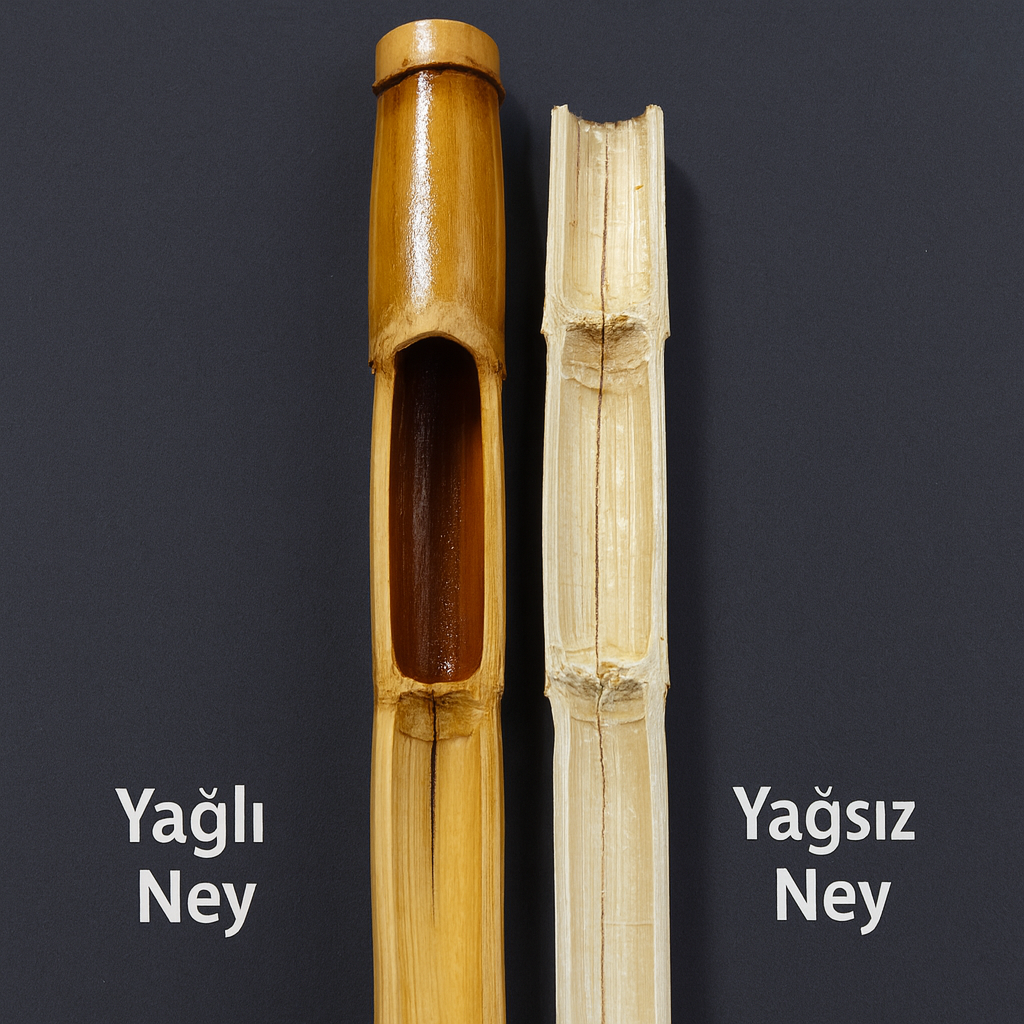
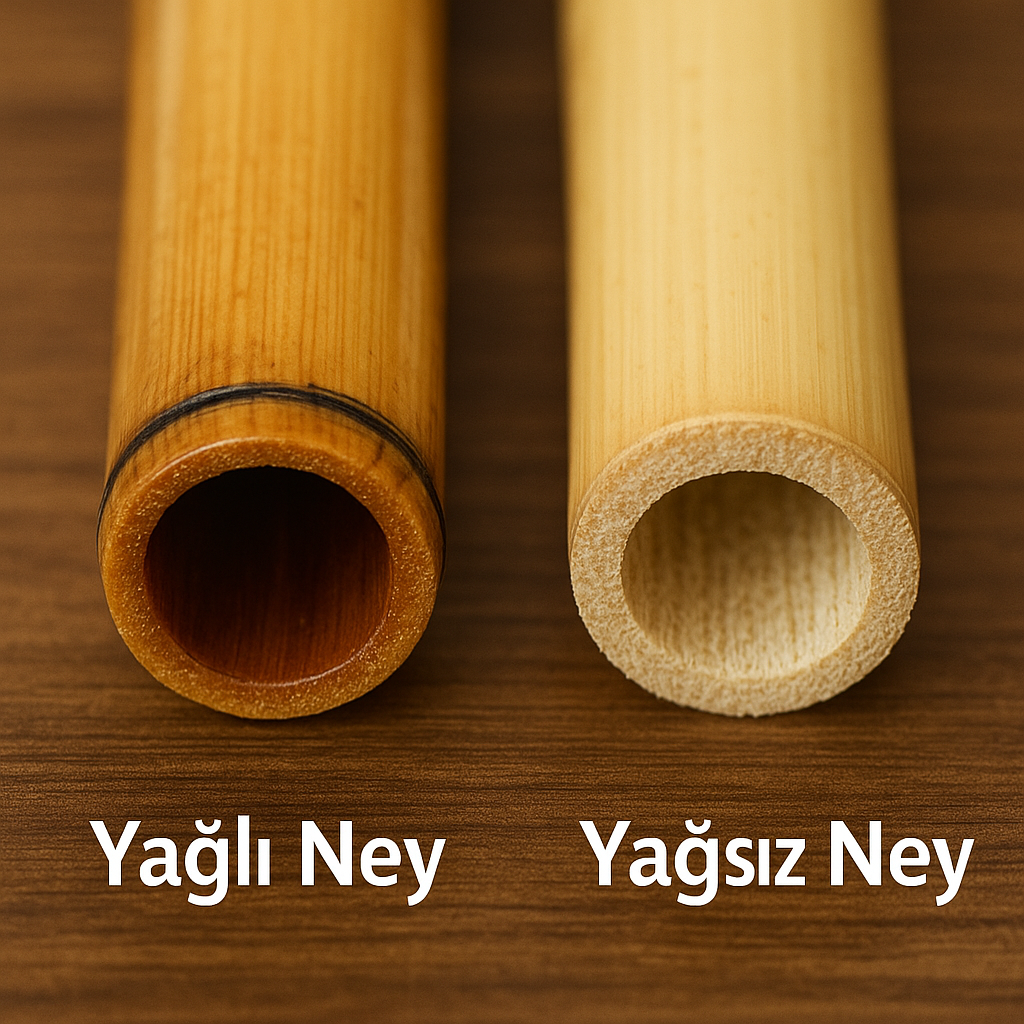
How to Care for a Ney? Cleaning and Oiling the Ney
Ney Care and Oiling
“Let us not wash or clean our ney with water.”
Contact with water weakens the structure of the reed, leading to mold formation and, over time, decay.
Therefore, if we want to protect our ney, extend its lifespan, and preserve the clarity of its sound, we must avoid using water.
Cleaning the ney does not begin with polishing the outside, but with preserving its inner structure.
🌿 Master's Note
After playing, do not immediately cut off the ney's contact with air.
Let it rest and breathe; then place it into its case - preferably one that is not fully closed.
❦•❦
Let us not keep our ney in excessively hot environments.
Avoid placing it near stoves, radiators, or under direct sunlight.
The ney, like the clarinet and oboe, is an organic wind instrument and is highly sensitive to heat.
In hot environments, the tuning sharpens, and if not regularly oiled, the ney may begin to warp.
We must protect our ney from heat.
Keeping the ney in its case is one of the simplest ways to protect it.
However, placing it in the case immediately after playing may cause mold due to trapped moisture.
For this reason, we should allow the ney to air out for a while.
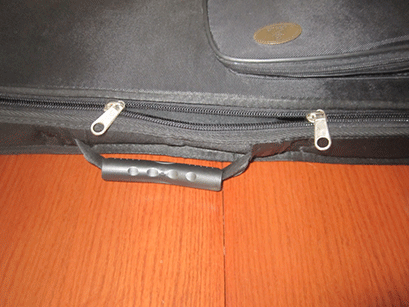
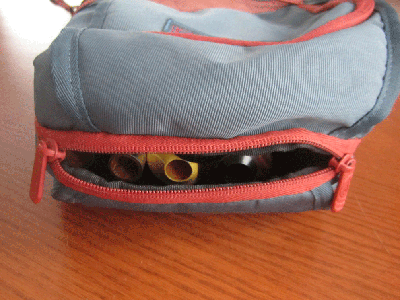
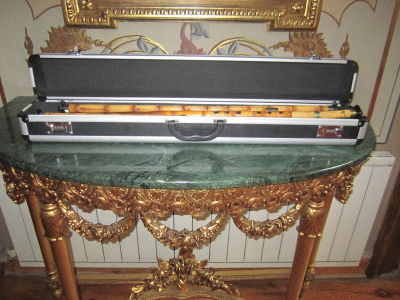
For example, as shown in the image below, storing our neys in this manner is sufficient:
As you can see, a skateboard bag can also be used to carry a ney 😊
In conclusion, we can safely store our ney at home by keeping the case slightly open.
🎬 Our Video
❦•❦
Protecting the Ney
To every neyzen who values the ney;
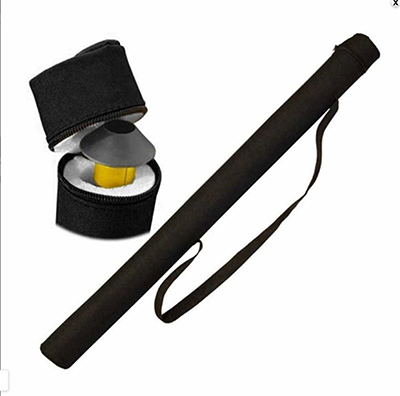
I recommend using a padded or thick cardboard ney case or bag.
This is one of the best ways to protect the ney at home.
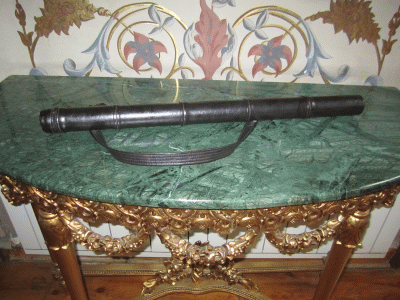
In the image below, you can see a leather ney bag designed to hold a single ney.
It is extremely practical.
While at home, we should keep our ney safely stored in its case.
To prevent falling, bending, or cracking, a padded box or a hard case should be preferred.
Special containers called “cases†are among the most effective protections for the ney.
📠Small Note
Let us not wash our ney with water, nor place it near a radiator.
The reed is delicate; it does not like harsh treatment.
Placing the ney into its case immediately after playing, while the inside is still moist, blocks air circulation
and may cause mold over time.
Therefore, after playing, it should be left in the open for a while, allowing the ney to release its own moisture.
Let the ney settle down, gather its breath, and come back to itself 😊
Using a proper bag or case is the simplest yet most effective precaution for a long-lasting ney.
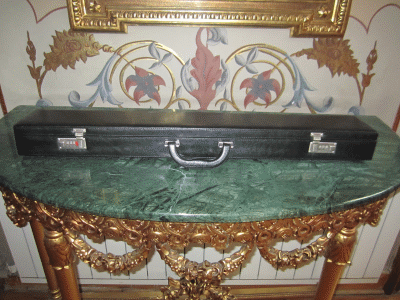
Below, you can see another example of a bag that can carry multiple neys together.
Such models are ideal both for ease of transport and for safe storage.
The ney, like a human being, is sensitive to heat and care; a ney protected with love will give voice for many years.
❦•❦
Oil Absorption Process in Arundo Donax Cane
These insights are based on real data and scientific evaluation. neyzenim.com proudly presents them
for the first time.
This content has never been published elsewhere before.
All shared sources are transparent, reliable, and measurement-based.
It is our pleasure to share these findings with you.
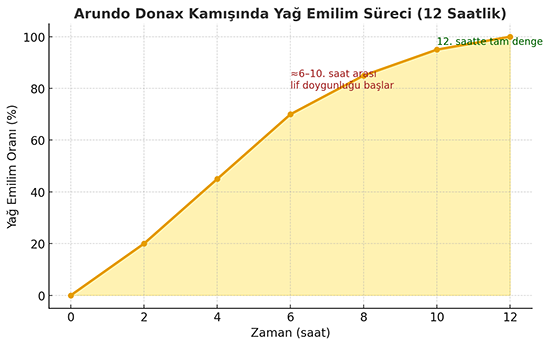
🌿 12-Hour Oil Absorption Process of Arundo Donax Cane:First 4 hours: Rapid surface absorption occurs. 6–8 hours: Oil begins penetrating inner fibers. 8–10 hours: Fiber structure reaches saturation. 12 hours: Full equilibrium is achieved - no further oil is retained.
These findings support the advice: “Do not leave the ney in oil for too long.”
Beyond 12 hours, it becomes a risk rather than a benefit - excessive softening may weaken the structure of the cane.
📘 Source: Neyzenim research notes, 2025
- Ministry of Culture Ney Artist Zeki Sözen
Ney Maintenance Oils
ℹ️ Values measured at 25 °C
Before moving on to oiling, we need to clarify a few definitions.
🌿 What is Density?
Density refers to the mass of oil per unit volume.
What does density mean for the ney?
It reflects how thick or thin the oil is.
For example, dense oils may leave residue, while thinner oils dry quickly.
However, instead of focusing on this, let us move directly to the key point.
🌿 Master's Note
Density is not the main criterion when selecting oil for the ney; viscosity should be the primary consideration.
💧 What is Viscosity?
Viscosity is the resistance of a fluid to flow.
Simply put, it is the “thickness” or “fluidity” of the oil. • Unit: centipoise (cP)
✨ What does viscosity mean for the ney?
In ney oiling, the essential factor is the oil's fluidity, in other words, its viscosity.
To explain further: Very low viscosity: The oil cannot adhere to the inner surface of the reed; it drains quickly and cannot form a sufficient protective film.
Very high viscosity: When the oil is too thick, it settles in the air channels; it makes blowing more difficult, reduces tonal response, and leaves residue.
Ideal balance (25 °C): Oils in the range of 40–65 cP.
They form a thin and balanced layer on the inner surface of the ney;
this both protects the reed from cracking and preserves the natural character of the tone.
⚠️ Important Note:
Do not use sunflower oil or corn oil!
The outer surface of the ney becomes sticky, and residue forms inside.
❦•❦
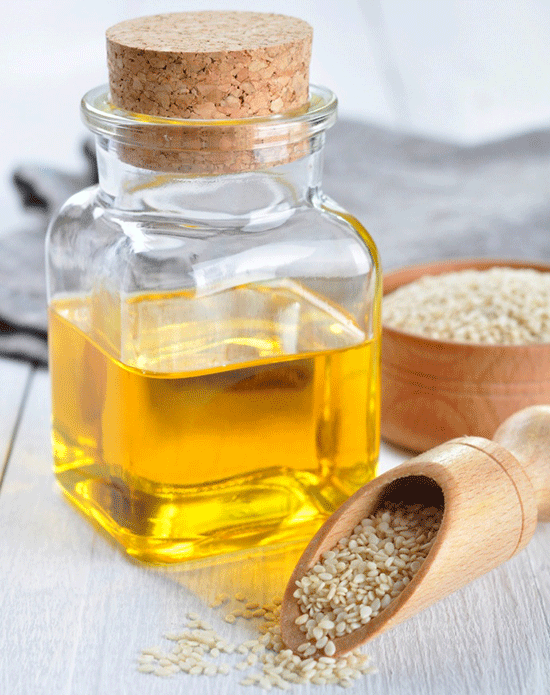
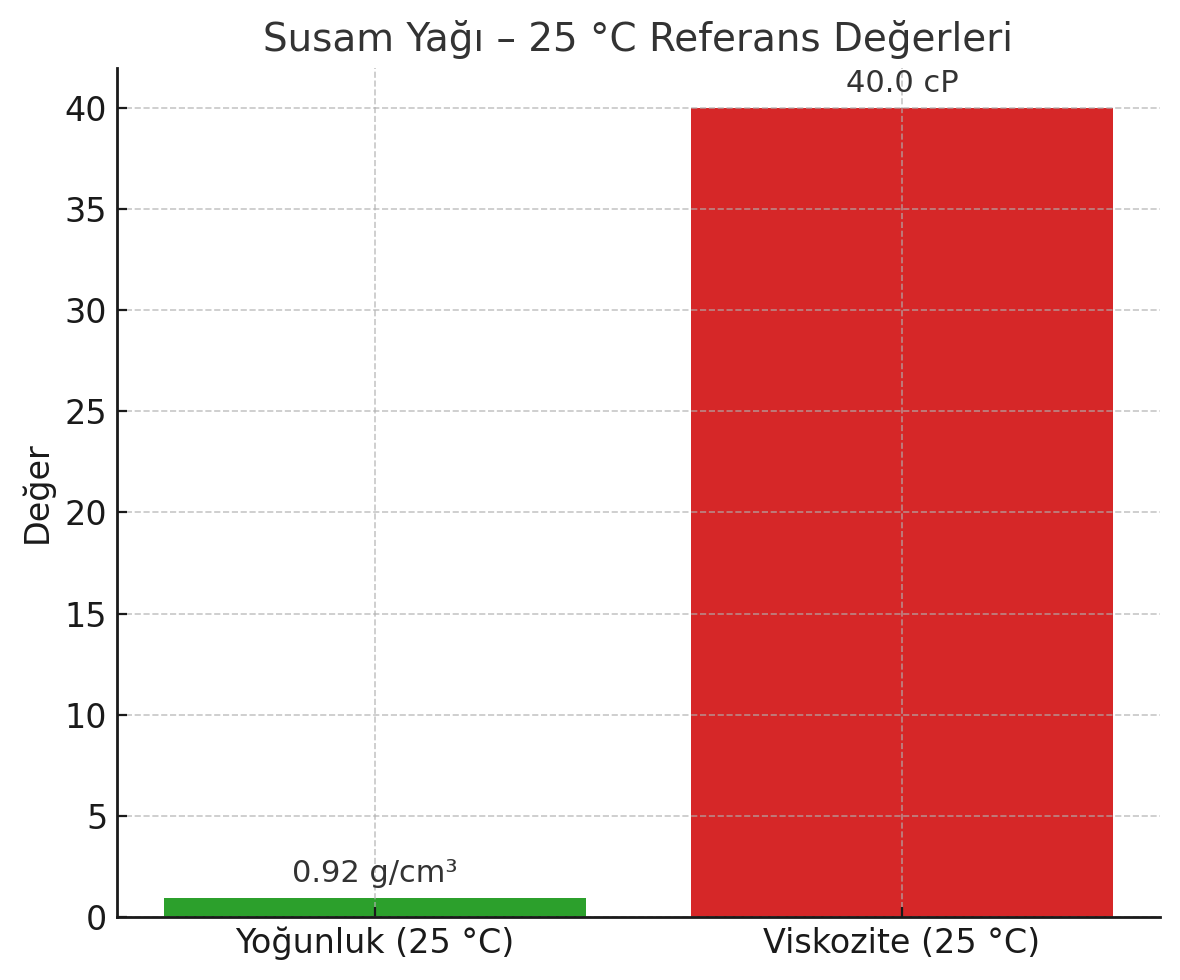
🌼 Sesame Oil Natural and Pure
Until recent times, sesame oil was the oil most commonly used by our masters.
With its light golden-yellow color and fluid consistency, sesame oil penetrates easily, especially into the inner part of the ney.
By nourishing the fibers of the reed, it preserves moisture balance and reduces the risk of drying and cracking.
With regular maintenance, it strengthens the inner structure and extends the life of the ney.
It has a lightly roasted sesame scent; it is not intense, but gives a natural and warm feeling.
Thus, it provides care that is both functional and soothing.
In the chart below, you can see the viscosity (density) of sesame oil.
❦•❦
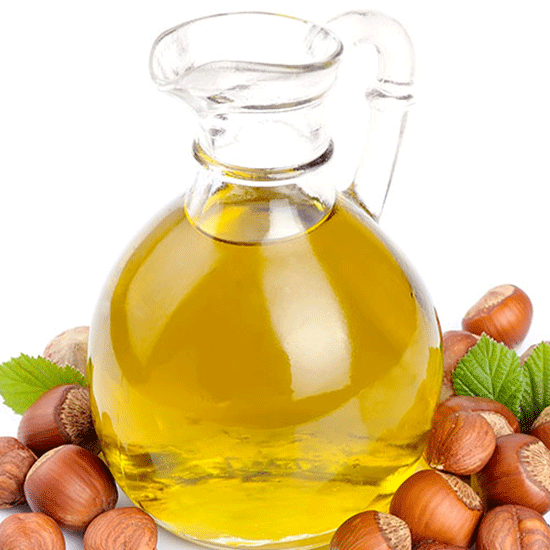
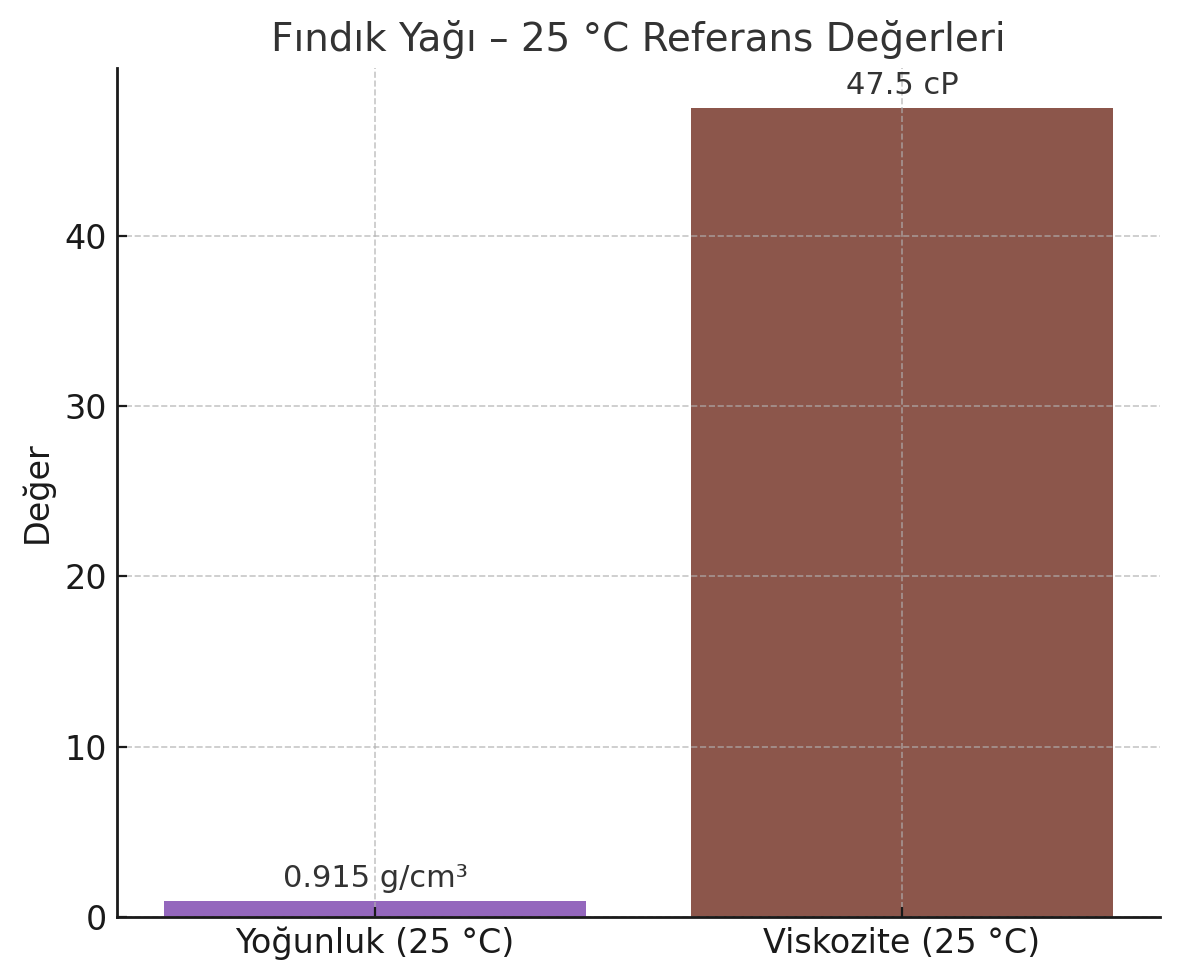
🌰 Hazelnut Oil Natural and Pure
In recent times, the most preferred oil for oiling the ney has been hazelnut oil.
Natural hazelnut oil stands out with its golden tones close to pale yellow.
Thanks to its fine texture, it spreads easily over the inner surface of the ney and supports the natural structure of the reed.
When used regularly, it prevents drying, reduces the risk of cracking, and helps extend the life of the ney.
With its soft and light hazelnut aroma, it also gives a refreshing feeling.
It is both a protective and natural maintenance alternative.
In the chart below, you can see the viscosity (density) of hazelnut oil.
❦•❦
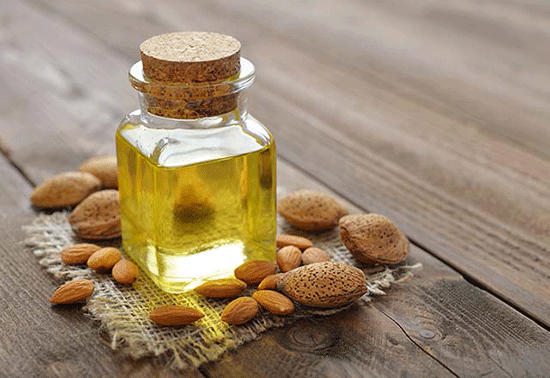
🌰 Almond Oil Natural and Pure
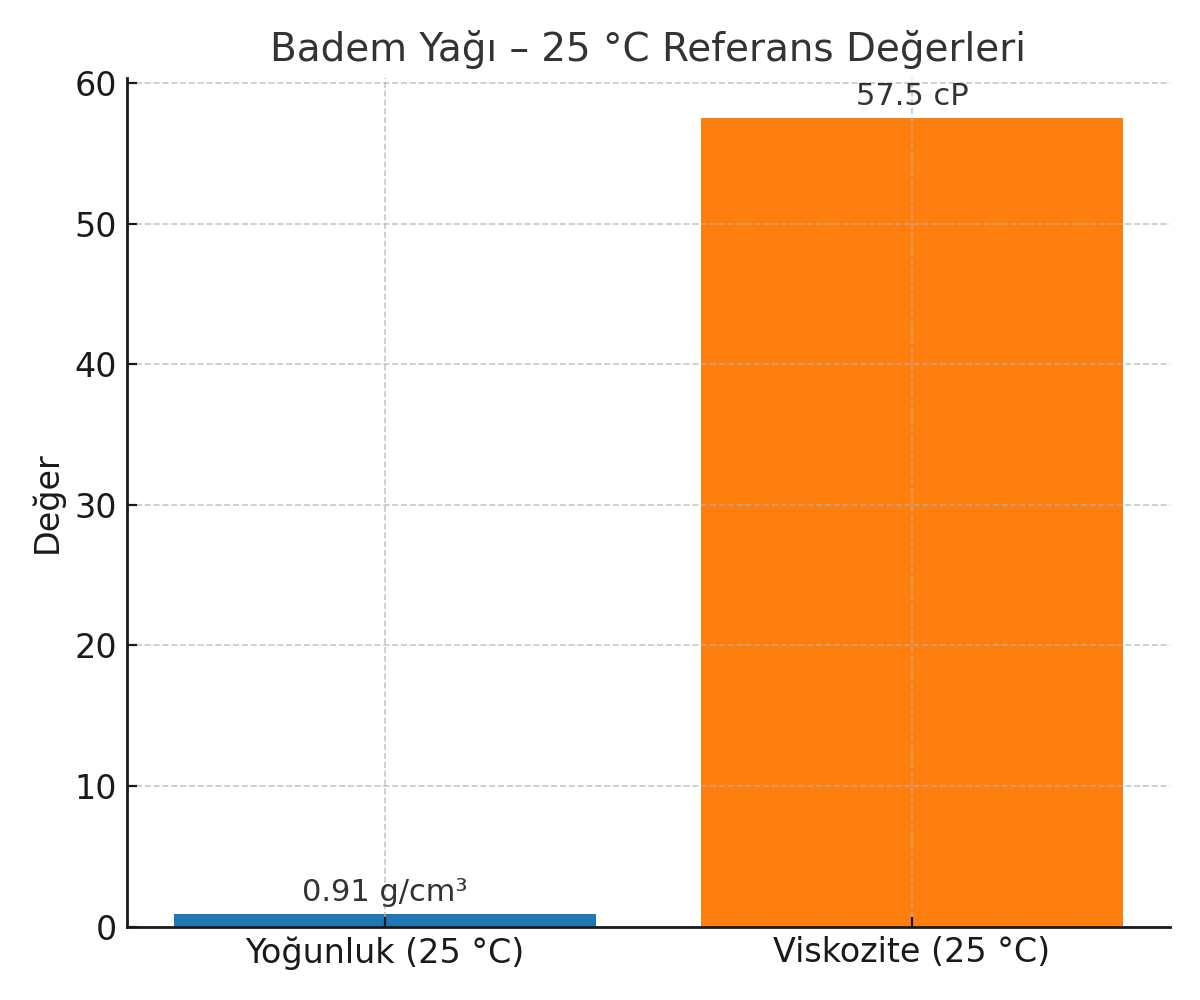
Pure almond oil, with its clear and light yellow color, penetrates easily into the reed due to its fine structure.
It nourishes the fibers of the ney and helps maintain their flexibility, preventing drying.
Its slightly sweet aroma leaves a refreshing and natural impression.
It provides an elegant and reliable protection for the ney.
You can see the viscosity (density) of almond oil in the chart below.
❦•❦
🫒 Olive Oil Natural and Pure
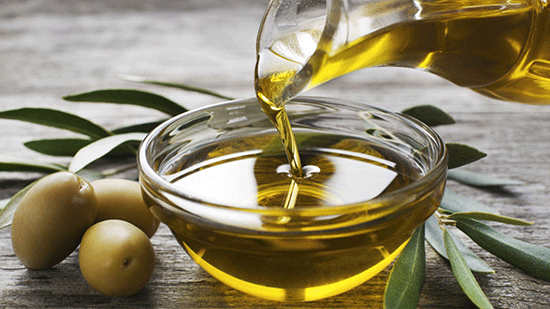
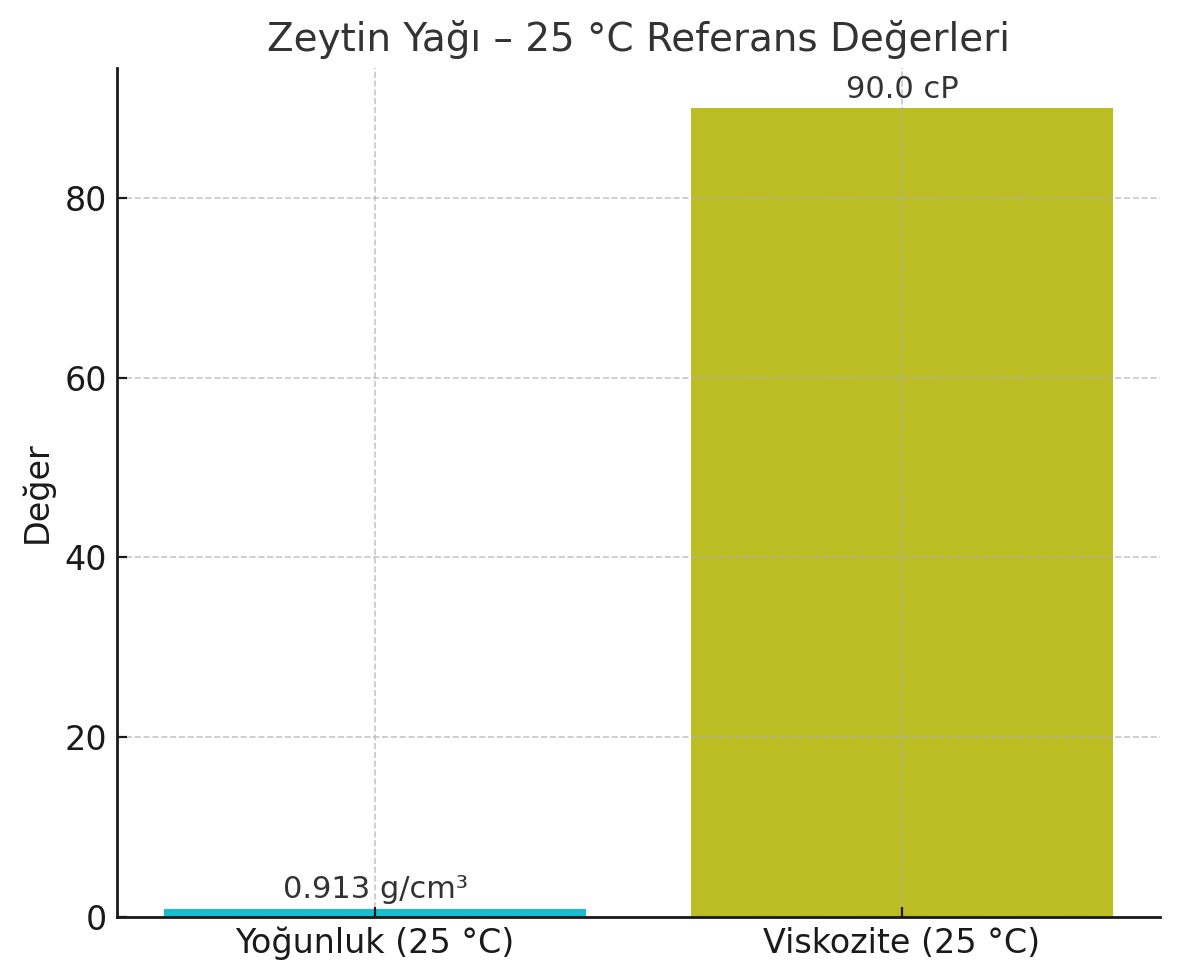
Cold-pressed olive oil, with its greenish-yellow tone, forms a thin layer inside the ney and helps maintain natural moisture balance.
This prevents the ney from drying and keeps it softer and more vibrant.
Olive oil has a slightly fruity aroma and a glossy character.
You can see the viscosity (density) of olive oil in the chart below.
❦•❦
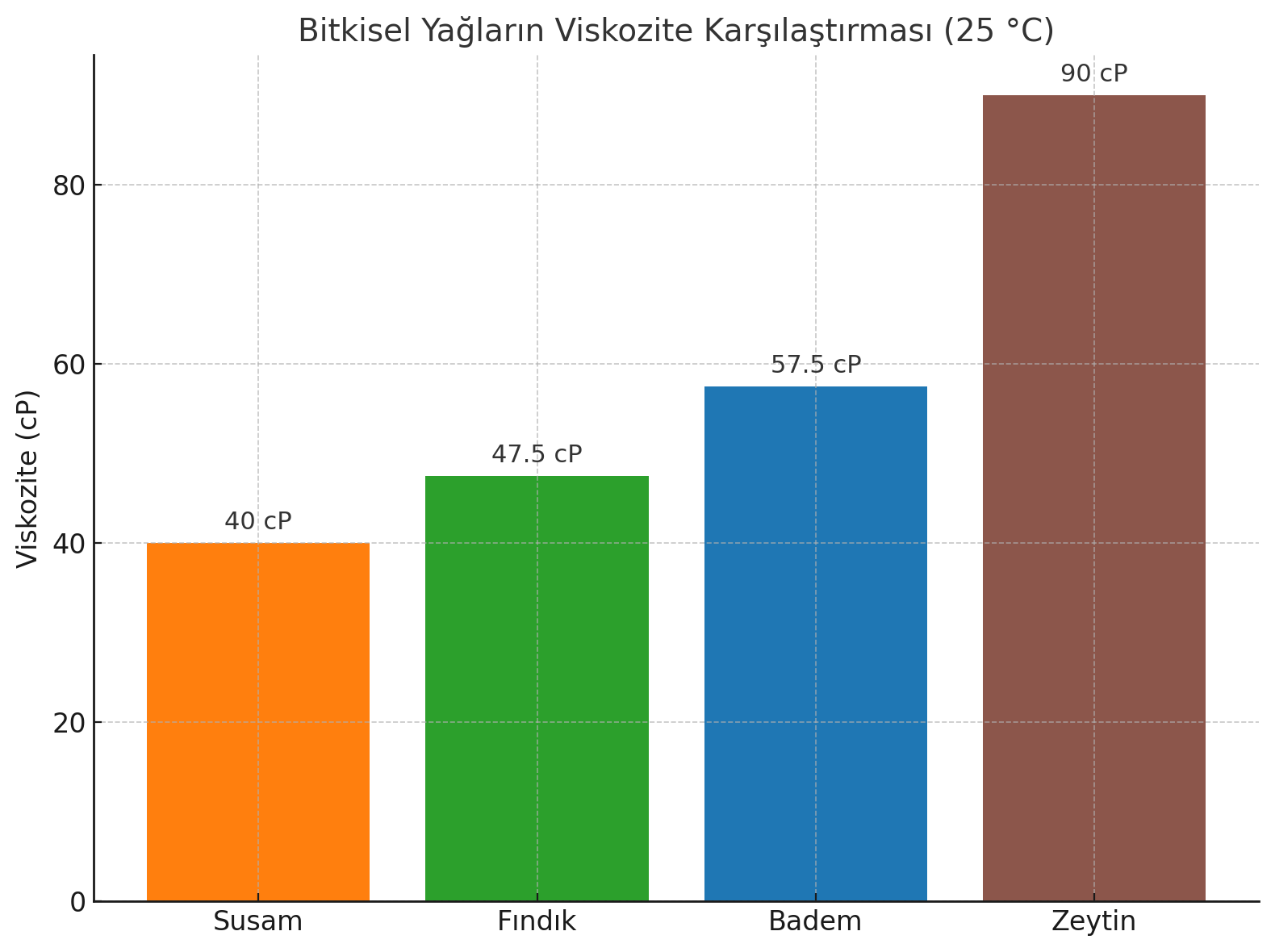
🌿 Vegetable Oils ⚙️ Viscosity Comparison
❦•❦
🌿 Final Decision in Oil Selection
✅ Conclusion
This table tells us the following:
• Sesame oil 👉 It has high fluidity and penetrates the fibers easily.
With its fine structure, it preserves the inner balance of the ney in the most natural way.
• Hazelnut oil 👉 It has become the most popular oil in recent times;
with its fluid and light character, it provides natural protection.
• Almond oil 👉 With its balanced consistency, it has always stood out
as a reliable and classic oil preferred by ney players for many years.
• Olive oil 👉 Due to its high viscosity, it is not suitable for the ney;
it may negatively affect airflow and the response of the reed, and may leave residue inside.
❦•❦
✤ Reminder
🌿 Master's Note We should oil our ney regularly once a month.
What I mean by the word “regularly†is this:
Choose a date for each month and do the oiling on that day.
For example, the 1st or the 15th of every month, or the second week of each month.
This is what we mean by oiling the ney regularly.
This is not a prescription, nor is it a medicine. If you forget, oil it the next day, or even a few days later; it will not be a problem.
What matters is that these small details should not make playing the ney difficult or diminish our enjoyment.
The ney does not break from neglect; do not withhold its oil, nor your love 💛
A dry reed produces too much air noise.
When the reed dries out, the resonance produced while blowing the ney —
that is, the ability of successive vibrations to interact with one another —
is negatively affected.
The intensity of the sound decreases, which leads to a decline in performance quality.
Failing to obtain the expected sound level from the ney
may, over time, cause a loss of motivation in the performer.
For this reason, it is of great importance that our ney be oiled regularly, at least once a month.
🌾 Advice for Ney Players
For friends who have recently acquired a new ney,
Refresh the oil a little more frequently during the first weeks; in time, you will adjust the interval yourself as you become familiar with the sound of your ney.
— The life of the ney depends on the care of its master. —
❦•❦
🎓 Scientific References
BioResources Journal – Protective effects of sesame and other natural oils on wooden surfaces.
SciELO Chile – Biological durability tests of sesame and neem oils.
Journal of Food Engineering & Food Chemistry – Experimental studies on the viscosity and absorption rates of vegetable oils.
Wood Science and Technology – Research on capillary effects and liquid absorption in lignocellulosic fibers.
MDPI – Coatings – Moisture absorption reduction properties of linseed oil in wooden materials.
Republic of Türkiye, Ministry of Culture – Ney Artist Zeki Sözen – Practical observations and experimental measurements on Arundo donax cane, 2025.
❦•❦
🌿 Ney Oiling Process
The main methods used for the oiling process are as follows:
Oiling by immersing the ney in a tank filled with oil;
Sealing the finger holes with foil and letting oil enter the inside of the ney;
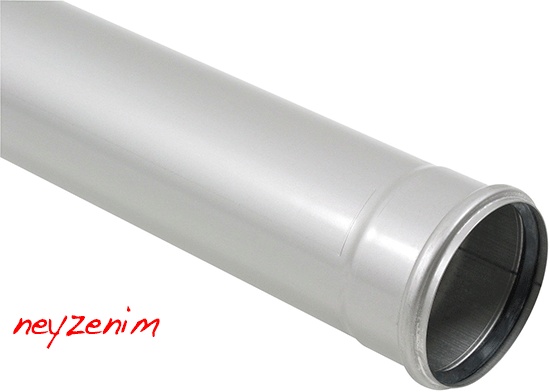
Oiling by using a PVC WASTE WATER PIPE.
The method I recommend is this.
First, we buy a PVC WASTE WATER PIPE from a hardware or building materials store, with a diameter of 50 mm, that is 5 cm, and a height of 85 cm.
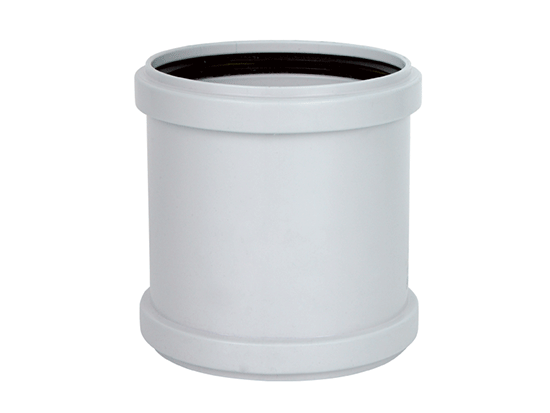
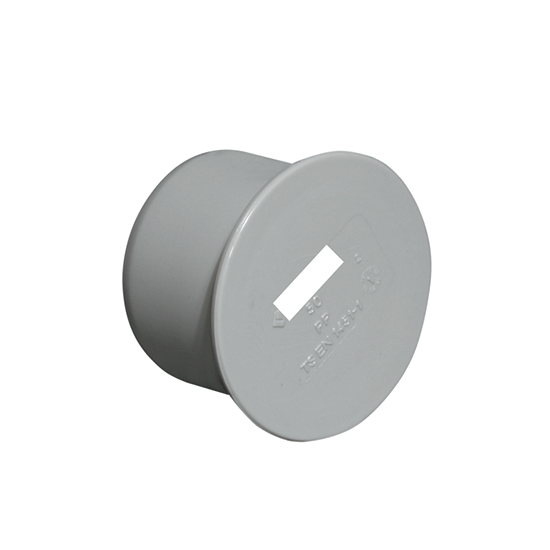
Then we buy an end cap and fix it onto our PVC pipe:
We also obtain a lid that we can open and close whenever we wish.
We will use the upper lid to close our PVC pipe after the oiling process.
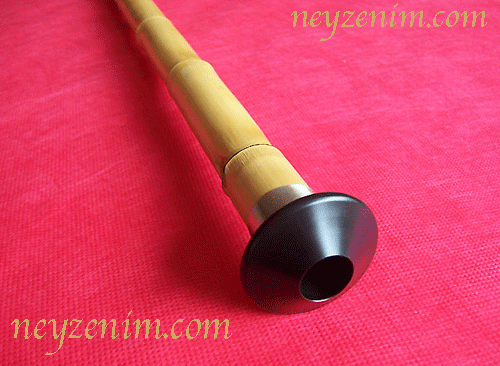
We remove the baÅŸpare from the ney and leave the baÅŸpare in oil as well, in a small container or another suitable place.
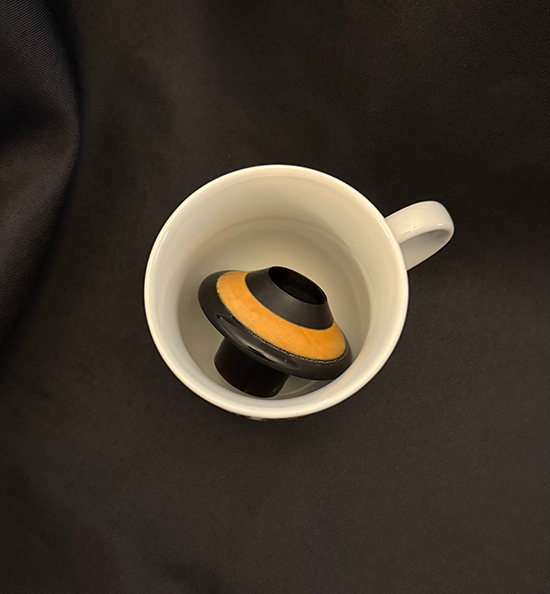
💡 Master's Note For my neyzen friends who use derlin başpare, oiling is absolutely unnecessary for this type of mouthpiece.
Otherwise, oil sticks to the başpare and leaves residue.
In that case, cleaning with a sponge and liquid soap becomes necessary,
and this takes time ⏰
Below, you can see an example of a derlin başpare.
— Do not oil your derlin başpare, dear neyzen friends —
Without straying too far from the subject, let us return to our main point.
It is sufficient to leave the başpare in oil for the same length of time as the ney itself.
The cap of the PVC pipe is ideal for this process; it prevents leakage and, in fact, I can say it is the most practical option.
⤵️
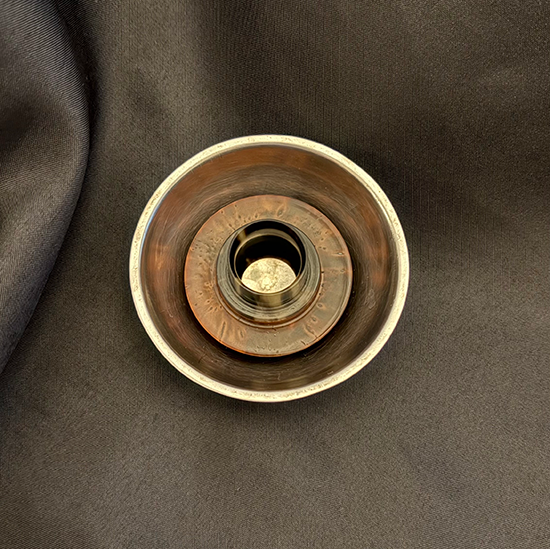
If you can find them, spoon holders or similar containers can also be useful in hardware stores.
⤵ï¸
It can even be something like a Turkish coffee cup 😊
⤵️
🌿 Let Us Begin ➶
We fill our PVC pipe with oil, leaving approximately 2–3 cm of space at the top.
When we immerse the ney into the oiling pipe, the oil level will rise slightly.
For this reason, we leave a margin of 2–3 cm to prevent overflow.
In my opinion, a waiting period of 30 minutes is sufficient; this is also how long I leave it.
Then we remove the ney and leave it for a while so that the oil can drain off.
After one hour, we gently wipe the ney with an absorbent cloth.
In the end, the oiling process is completed.
⚠️ WATCH OUT FOR THE OIL
THE FLOOR MAY BE SLIPPERY - THE NEYZEN MAY SLIP 🍌❄️
🎬 Demonstration Video
— Oil extends the life of the reed; patience extends the life of the sound —
❦•❦
🌍 A World First: A Scientific Method for Ney Oiling
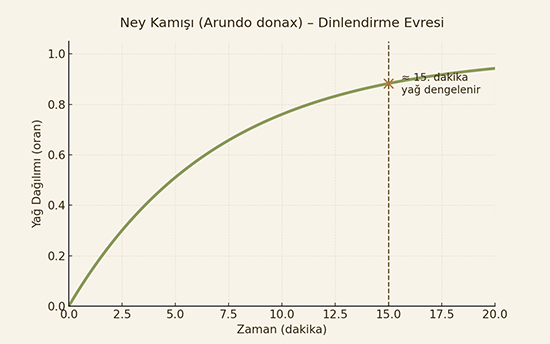
🧪 Not guesswork, but measurement-based: ⏱️ 5 minutes of oiling, ⏳ 10–15 minutes of resting.
⏱️ In total, the ney oiling process is completed in just 10–15 minutes.
For those who perform regular maintenance, there is now a practical method based on scientific measurements.
⚠️ Important: If your ney is new, this method is not applicable.
🌿 The natural moisture balance of the reed must be preserved during its first year.
During this period, oiling should be done more frequently and for longer durations.
You may switch to this faster method only after one year of regular oiling.
We proceed based on scientific data and observation —
not randomly, but consciously.
We can fully protect our ney with 5 minutes of oiling followed by 10–15 minutes of resting.
🌍
Personally, I leave my own ney in oil for 20 minutes.
This practice is the result of many years of experience.
This method is presented here in a systematic way for the first time.
In fact, many professional ney players have been applying it intuitively for years.
However, we have now documented it based on measurement -
making it practical, scientific, and accessible to everyone. 🧭
⏰ Why 5 Minutes of Oiling? ⏳
1️⃣ Cellular Structure of the Reed
The Arundo donax reed consists of a microporous structure made of lignin and cellulose.
This structure allows capillary absorption.
2️⃣ Viscosity of the Oil
Natural oils have a certain viscosity.
At room temperature, penetration into the fibers takes approximately 4–6 minutes.
3️⃣ Absorption Curve
About 60% absorption occurs within the first 5 minutes.
After this point, the fibers begin to reach saturation.
4️⃣ Why Not 1 Minute?
The oil remains only on the surface and does not provide internal protection.
5️⃣ Why Not 1 Hour?
Excess oil remains on the surface, leading to oxidation and negatively affecting resonance.
6️⃣ Why Not 10 Hours?
Over-saturation softens the reed and weakens its structure.
Source: ASTM D1413, Wood Science and Technology, MDPI Coatings
🌙 Practice Note
Oiling is a process of saturation; resting is a process of balance.
This 10–15 minute waiting period allows the inner structure of the ney to stabilize.
Do not rush - the ney breathes in its own rhythm.
🌿 The graph illustrates how oil balance is established within the reed fibers during the resting phase after oiling.
📚 Scientific References
BioResources Journal – Protective effects of sesame and other natural oils on wooden surfaces.
SciELO Chile – Biological durability tests of sesame and neem oils.
Journal of Food Engineering & Food Chemistry – Experimental studies on the viscosity and absorption rates of vegetable oils.
Wood Science and Technology – Research on capillary effects and liquid absorption in lignocellulosic fibers.
MDPI – Coatings – Moisture absorption reduction properties of linseed oil in wood materials.
Republic of Türkiye Ministry of Culture – Ney Artist Zeki Sözen – Practical observations and experimental measurements on Arundo donax cane, 2025.
🌾 “Every ney carries its own unique breath. We simply learn how to preserve it.” 🌙