logo Türkçe English

Ney Lessons

1 2 3 4 5 6 7 8 9 10 11 12 13 14 15

Ney Lessons - 12 -

Compound Makams and Their Explanations

 Scales that are formed by the transition from one sequence to another, and that are accepted as makams, are called Compound Makams .

 Modulation (Geçki): While moving within a makam, passing into another makam governed by different rules is called modulation.

 Geçki and modulation are synonymous.

Compound Makams Used in Turkish Music

 Compound Makams Resolving on the Buselik Note:

 There is one:

 1-) Nişabur makam.

 Compound Makams Resolving on the Segâh Note:

 There are five:

 1-) Segah makam.

 2-) Segah Maye makam.

 3-) Müstear makam.

 4-) Hüzzam makam.

 5-) Vecd-i Arazbar makam.

Ney Lessons Symbol

 Compound Makams Resolving on the Dügah Note:

 There are nineteen:

 1-) Bileşik Gülizar makam.

 2-) Bileşik Isfahan makam.

 3-) Isfahanek makam.

 4-) Bayati Araban makam.

 5-) Acem makam.

 6-) Acem Kürdi makam.

 7-) Hisâr makam.

 8-) Hisar Buselik makam.

 9-) Şehnaz makam.

 10-) Arazbâr makam.

 11-) Sabâ makam.

 12-) Dügâh makam.

 13-) Kûçek makam.

 14-) Sipihr makam.

 15-) Gerdaniye makam.

 16-) Muhayyer Sünbüle makam.

 17-) Dügâh Mâye makam.

 18-) Sultanî Irâk makam.

 19-) Nişaburek makam.

Ney Lessons Symbol

 Composite Makams Resolving on Rast Pitch :

 There are thirteen :

 1-) Nikriz makam.

 2-) Nev’eser makam.

 3-) Pesendîde makam.

 4-) Güldeste makam.

 5-) Tarz-ı Nevin makam.

 6-) Nihavend-i Kebir makam.

 7-) Zâvil makam.

 8-) Pençgâh makam.

 9-) Sûz-i Dilârâ makam.

 10-) Büzürk makam.

 11-) Sâzkâr makam.

 12-) Rehâvî makam.

 13-) Şevk-i Dil makam.

 Composite Makams Resolving on Irak Pitch :

 There are ten :

 1-) Irâk makam.

 2-) Eviç makam.

 3-) Bestenigâr makam.

 4-) Beste-Isfahân makam.

 5-) Râhatü’l-Ervâh makam.

 6-) Dikleş-Hâveran makam.

 7-) Rûy-i Irâk makam.

 8-) Revnâk-Nûma makam.

 9-) Hüzzâm-ı Cedid makam.

 10-) Ferahnâk makam.

 Composite Makams Resolving on Acemaşiran Pitch :

 There are four :

 1-) Şevk-u Tarab makam.

 2-) Şevk’efzâ makam.

 3-) Şevk-âver makam.

 4-) Tarz-ı Cedid makam.

 Composite Makams Resolving on Hüseyniaşiran Pitch :

 There are eight :

 1-) Hüseyni Aşiran makam.

 2-) Buselik Aşirân makam.

 3-) Nühüft makam.

 4-) Aşirân Zemzeme makam.

 5-) Can-Fezâ makam.

 6-) Sabâ Aşirân makam.

 7-) Hicaz Aşirân makam.

 8-) Zirefkend makam.

 Composite Makams Resolving on Yegâh Pitch :

 There are ten :

 1-) Ferahfezâ makam.

 2-) Dilkeşîde makam.

 3-) Lâlegül makam.

 4-) Sultanî Segâh makam.

 5-) Şive-nümâ makam.

 6-) Şeref-nümâ makam.

 7-) Dil-efzâ makam.

 8-) Acemli Yegâh makam.

 9-) Feyz-i Yekta makam.

 10-) Anber-efşan makam.

 Dear Ney players, one of the oldest known makams in Turkish Music is Rast, and the other is Segâh.

 As we mentioned in previous lessons, among the composite makams, we will study the most commonly used ones and

the ones most suitable for the Ney.

 After briefly listing the composite makams, let us now examine the indispensable Segâh makam for the Ney:

 Scale of the Makam :

 Segah Makam Scale

Difficult notes used in Segâh Makam :

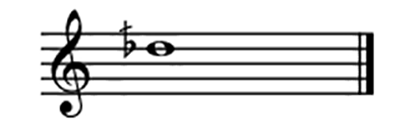
 B note with comma flat:

  In Classical Turkish Music, this note is called the Segâh note.

  Memorize the name of this note in this way, that is, as Segâh.


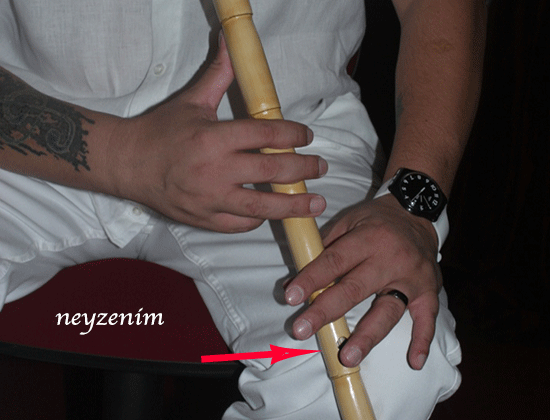
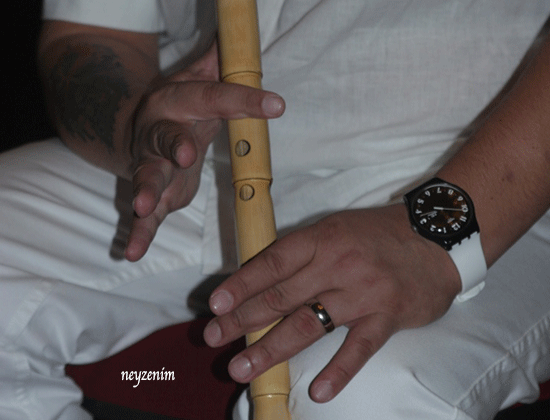
Finger Positions :

RIGHT HAND : Thumb, Index Finger, Middle Finger, and Ring Finger.

LEFT HAND : Middle Finger.

 Examine the image below :


  You should already know the B note; if you do not remember it,

you should review the previous lessons.

 E note with comma flat:

  For the E note with comma flat, the normal Hüseyni note is fingered.

  By slightly turning our head to the left, we can flatten the sound a little.

  Finger Positions :

  RIGHT HAND : Thumb, Index Finger, Middle Finger, and Ring Finger.

  LEFT HAND : Index Finger and Middle Finger.

  Examine the image below:


  You should already know the E note; if you do not remember it, you should review the previous lessons.

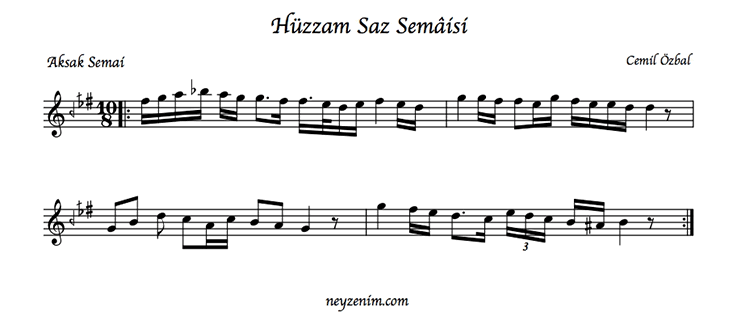
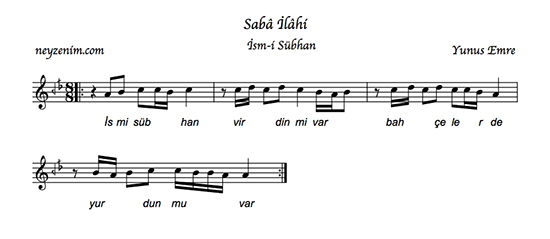
Video:


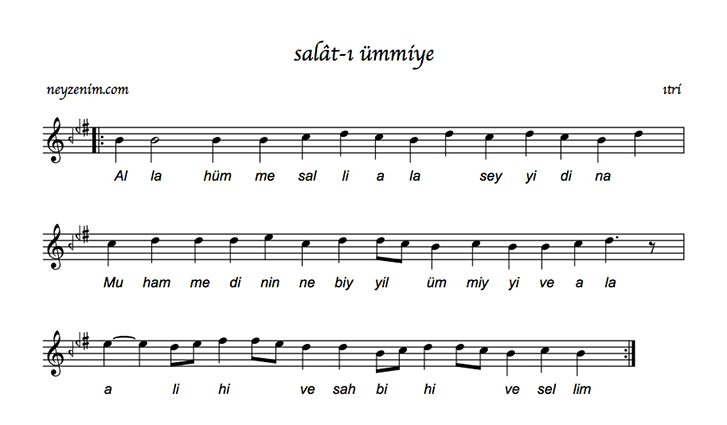
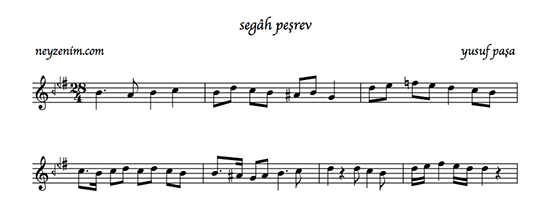
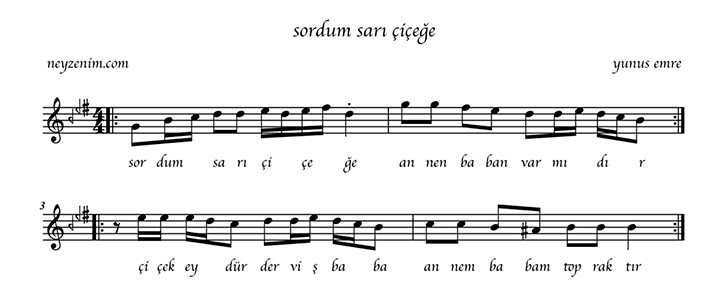
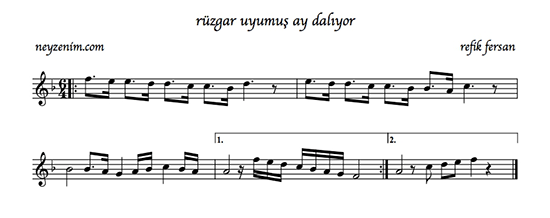
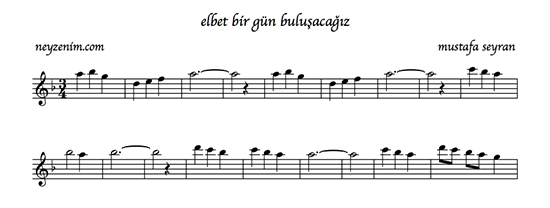
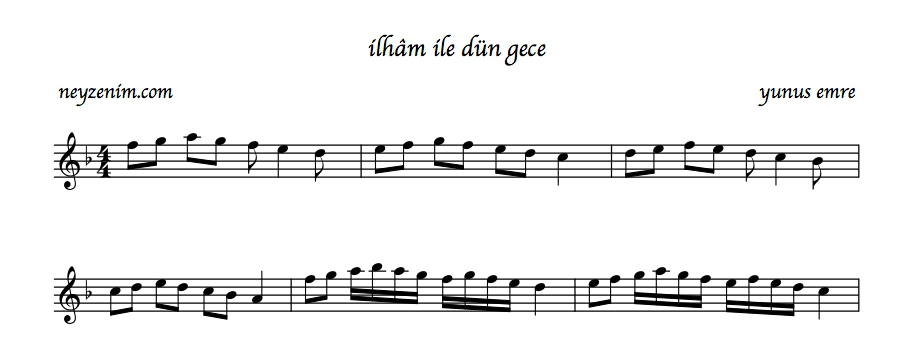
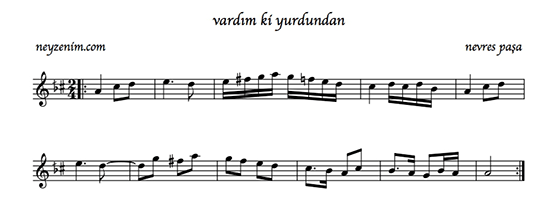
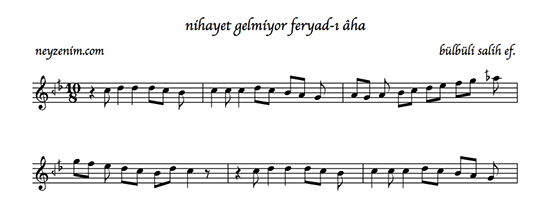
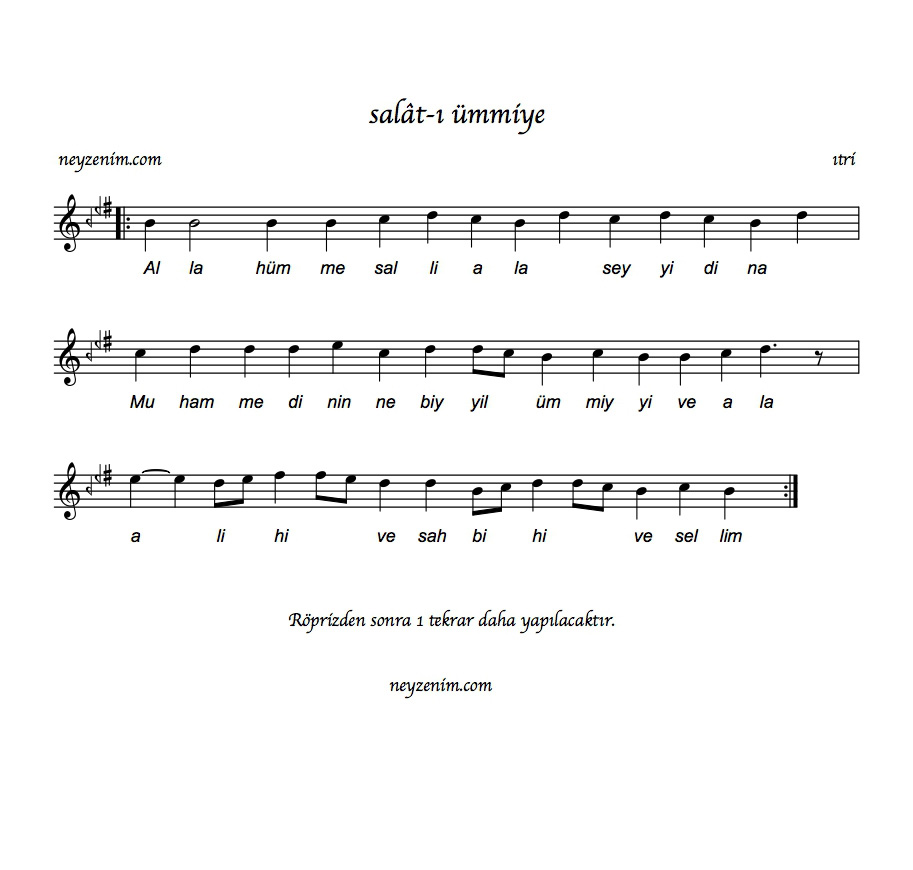
  You can enlarge the notation by clicking on it.

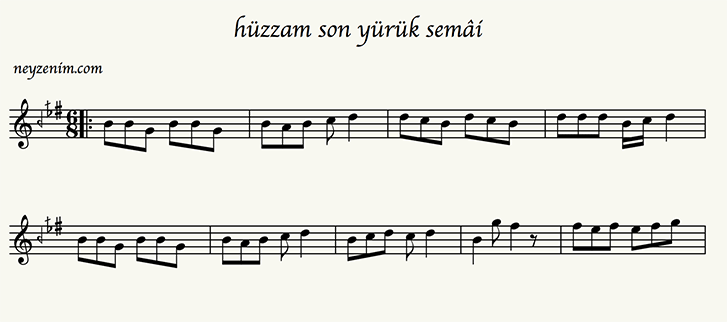
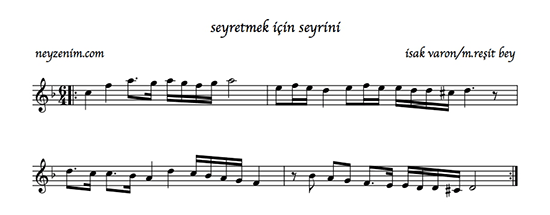
 Video:


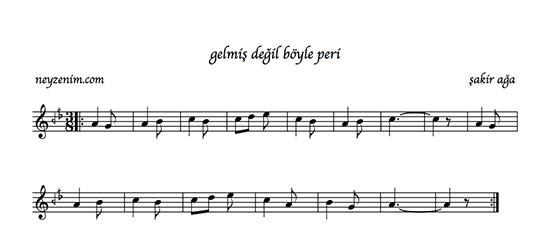
  You can enlarge the notation by clicking on it.

 Video:


Hüzzam Makam

 Final Note : Segâh note.

 Melodic Progression : Descending - ascending.

 Scale : It consists of the Hüzzam pentachord. It expands on the Gerdaniye note as a Buselik pentachord.

 Dominant : Neva note.

 Suspended Cadence Notes : Gerdaniye, Eviç and Dik Hisar notes.

 Expansion : It can expand on the Rast note with a Rast pentachord,

and it can also expand into the high register by using Segâh makam.

 Key Signature : A comma flat for B, a bakiye flat for E, and a bakiye sharp for F are written in the key signature.

 Leading Tone : Kürdi note.

 Melodic Progression : It begins around the Neva note and resolves on the Segâh note.

 Scale of the Makam :

 Hüzzam Makam Scale

Difficult notes used in Hüzzam Makam :

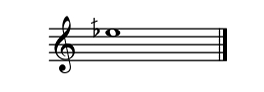
 E flat note with 4-comma flat:

  In Classical Turkish Music, this note is called the Hisar note.

  Memorize the name of this note in this way, that is, as Hisar.


Finger Positions :

RIGHT HAND : Thumb, Index Finger, Middle Finger, and Ring Finger.

LEFT HAND: Thumb, Middle Finger, and approximately half of the Ring Finger, not exactly half:

 Examine the image below :


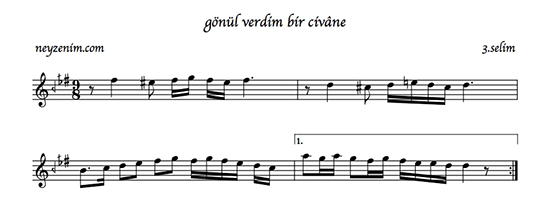
  You can enlarge the notation by clicking on it.

 Video:


  You can enlarge the notation by clicking on it.


  Let us now briefly look at the E sharp note, which we have not discussed before.

  Click the link below:

  The concept of E sharp in Turkish music

  You can enlarge the notation by clicking on it.

 Video:


Acem Kürdî Makam

 Final Note : Dügâh note.

 Melodic Progression : Descending.

 Scale : This makam is formed by adding a Kürdi tetrachord in its original place to the Acem makam.

 Dominant : Acem note. Its secondary dominant is the Neva note.

 Suspended Cadence Notes : Neva, Çargâh and Kürdi notes.

 Expansion : Since this makam has a rather wide structure, it has not been additionally expanded.

 Key Signature : A small mücennep flat is written in the key signature for B.

 Leading Tone : Rast note.

 Melodic Progression : It begins around the Acem note, then resolves on the Dügâh note.

 Scale of the Makam :

 Acem Kürdî Makam Scale

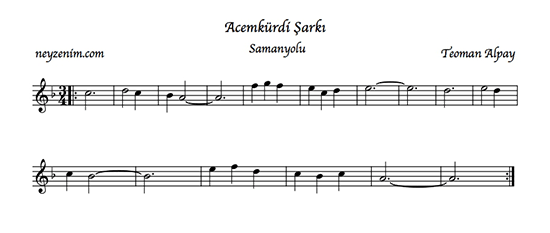
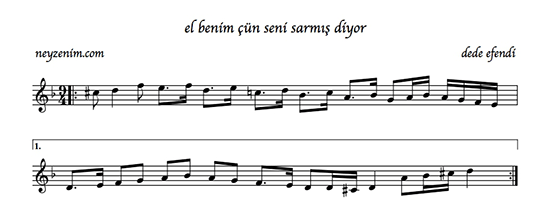
  You can enlarge the notation by clicking on it.

 Video:


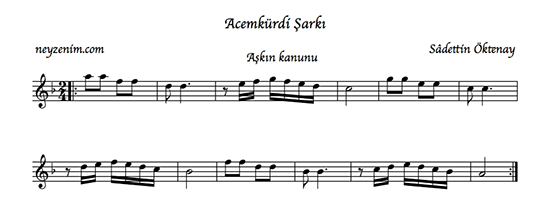
 You can enlarge the notation by clicking on it.

 Video:


 You can enlarge the notation by clicking on it.

 Video:


 Let us play the same piece with the Re note closed:


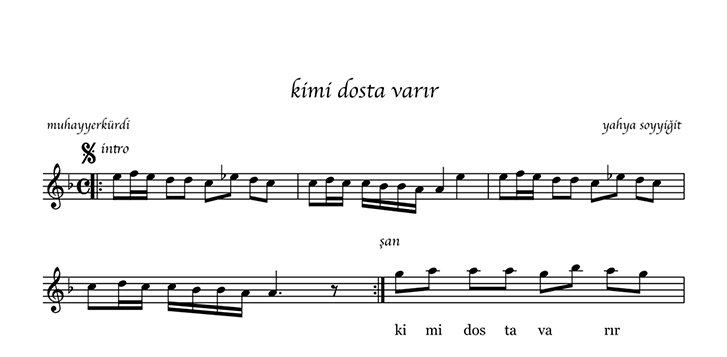
Muhayyer Kürdî Makam

 Final Note : Dügâh note.

 Melodic Progression : Descending.

 Scale : It is formed by the combination of Muhayyer makam and Kürdî makam.

 Dominant : Acem note. Its secondary dominant is the Neva note.

 Suspended Cadence Notes : Muhayyer, Neva, and Hüseyni notes.

 Expansion : Since this makam has a rather wide structure, it has not been additionally expanded.

 Key Signature : A small mücennep flat is written in the key signature for the B note.

 Leading Tone : Rast note.

 Melodic Progression : It begins in the high register using the Muhayyer note.

It makes Uşşak-flavored cadences on the Hüseynî note and Buselik-flavored cadences on the Neva note.

From time to time, it also pauses on the Çargah note. Later, it modulates to Kürdî makam and makes a cadence there.

 Today, Muhayyer Kürdî makam is also used without using Muhayyer makam itself, in the descending form of Kürdî makam.

 Scale of the Makam :

 Muhayyerkürdi Makam Scale

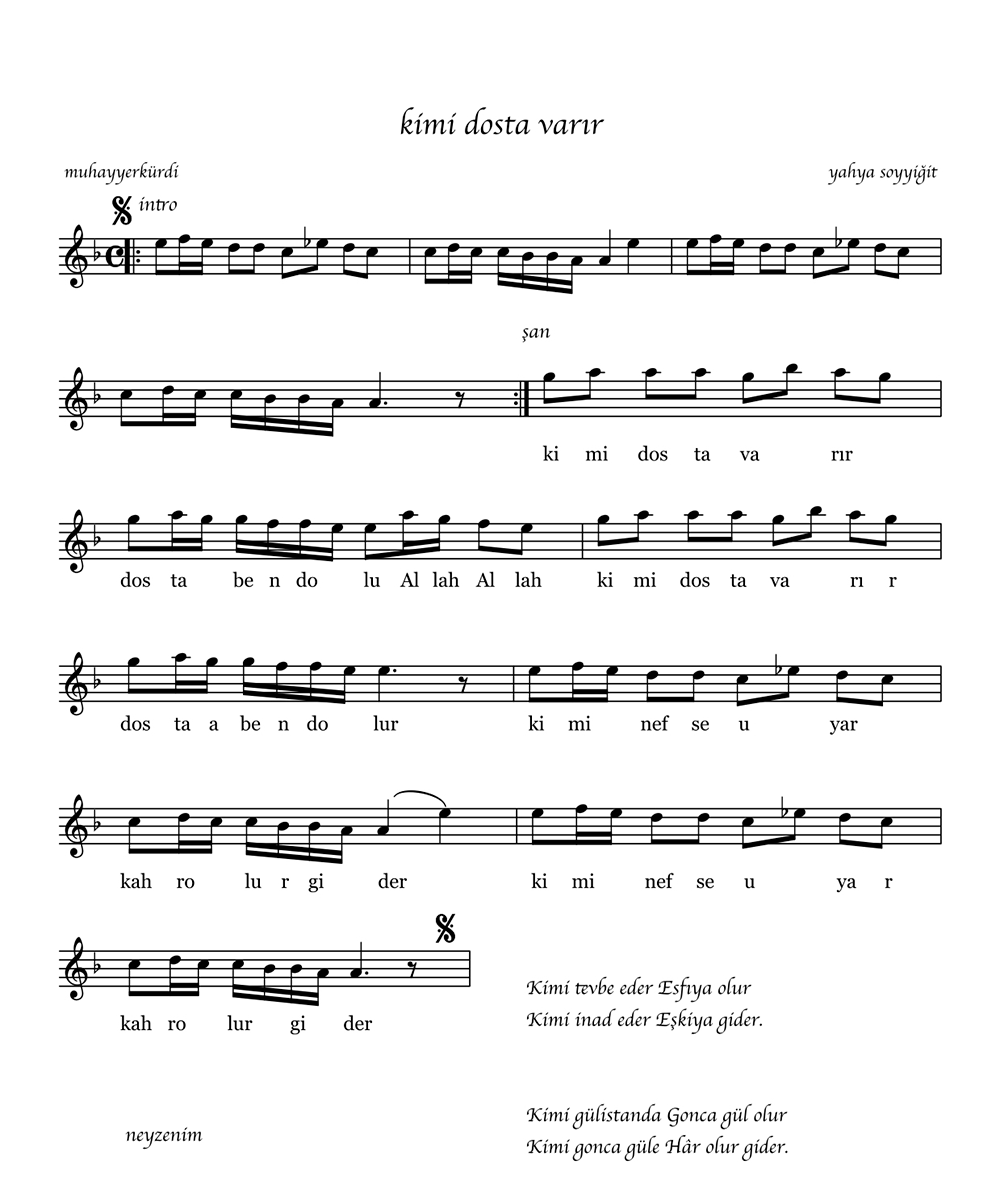
  You can enlarge the notation by clicking on it.

 Video:


 You can enlarge the notation by clicking on it.

 Video:


 You can enlarge the notation by clicking on it.

 Video:


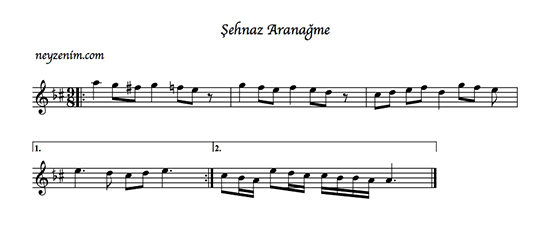
Şehnaz Makam

 Final Note : Dügah (La in the 2nd space).

 Melodic Progression : Descending.

 Scale : It is formed by adding the Humayun scale on the Hüseyni note to the Hicaz pentachord in its original place.

 Dominant : Muhayyer and Hüseyni notes.

 Suspended Cadence Notes : Muhayyer and Hüseyni notes.

 Expansion : Since this makam is already wide in structure, it has not been additionally expanded.

 Key Signature : A bakiye flat is written for the B note and a bakiye sharp for the C note.

 Leading Tone : Rast or sometimes Nim Zirgüle (G sharp) notes.

 Melodic Progression : It begins from the Muhayyer note.

It makes Uşşak-flavored cadences on the Hüseyni note and resolves on the Dügah note with a Hicaz flavor.

HIGH G SHARP NOTE :

In Classical Turkish Music, this note is called the ŞEHNAZ note.

 As you see, the A flat note is above the staff, it can also be referred to as high A flat:

If you do not know or do not remember the G sharp note,

it means that you have not completed or have skipped the Ney lessons.

For the G sharp note, review Ney Lesson 6.

 Scale of the Makam :

 Şehnaz Makam Scale

 You can enlarge the notation by clicking on it.

 Video:


 You can enlarge the notation by clicking on it.

 Video:


  You can enlarge the notation by clicking on it.

 Video:


Sabâ Makam

 Final Note : Dügah (La in the 2nd space).

 Melodic Progression : Ascending or ascending-descending.

 Scale : It is formed by adding the Sabâ tetrachord in its original place to the Zirgüleli Hicaz scale on the Çargâh note.

 Dominant : Çargâh note.

 Suspended Cadence Notes : Çargâh and Gerdaniye notes.

 Expansion : Since this makam is already wide in structure, it has not been additionally expanded.

 Key Signature : A comma flat for B and a bakiye flat for Re are written in the key signature.

 Leading Tone : Rast note.

 Melodic Progression : It begins around the Çargâh note, and later

makes a full cadence on the Dügah note with the Sabâ tetrachord.

 Scale of the Makam :

 Sabâ Makam Scale

Difficult notes used in Sabâ Makam :

 Hicaz note with four-comma flat:

  In Classical Turkish Music, this note is called the Hicaz note.

  Memorize the name of this note in this way, that is, as Hicaz.


Finger Positions :

RIGHT HAND : Thumb and Index Finger.

LEFT HAND : Middle Finger.

 Examine the image below :


  NOTE:

 Although the Re flat note is referred to as four commas;

 in practice it is played sharper.

 Therefore, we can slightly open the left index finger and sharpen the sound even more.

 For this, my recommendation is to listen to the other instruments around you and find the correct pitch.

  You can enlarge the notation by clicking on it.

 Video:


  You can enlarge the notation by clicking on it.

 Video:


  You can enlarge the notation by clicking on it.

 Video:


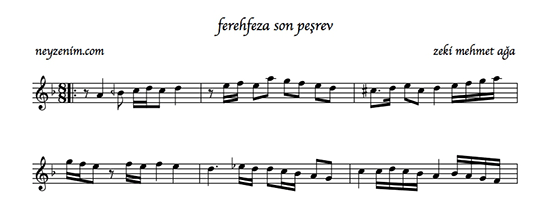
Ferahfezâ Makam

 Final Note : Yegâh note.

 Melodic Progression : Descending.

 Scale : It is formed by adding the Buselik scale on the Yegâh note to the scale of Acemaşiran makam.

 Dominant : Acem and Çargâh notes.

 Suspended Cadence Notes : Neva, Nim Hicaz, Acem, Kürdi, and Acemaşiran notes.

 Expansion : Since this makam is already wide in structure, it has not been additionally expanded.

 Key Signature : A small mücennep flat is written in the key signature for the B note.

 Leading Tone : Kaba Nim Hicaz (low C sharp below the staff) note.

 Melodic Progression : It begins around the high final Acem note, using a Çargâh pentachord on Acem.

Later, it makes a full cadence with Buselik flavor on the Yegâh note.

 Scale of the Makam :

 Ferahfezâ Makam Scale

  You can enlarge the notation by clicking on it.

 Video:


  You can enlarge the notation by clicking on it.

 Video:


  You can enlarge the notation by clicking on it.

 Video:


WHAT WE ASK OF YOU AT THE END OF THIS LESSON:

- Memorize the pieces related to the makams we have introduced.

- Memorize the names and characteristics of the makams.

- Play the pieces in the videos as fast as you are able to play them.

- As I mentioned before, do not move on to the next lesson before completing this one.

Send Email

1 2 3 4 5 6 7 8 9 10 11 12 13 14 15

© www.neyzenim.com Neyzen Zeki Sözen